Guiding the Joinery Task: Advice from industry Pros


Embarking on a carpentry project can be an invigorating but challenging endeavor, especially when it comes to hiring the best skilled contractors. Whether you're focused on a business fit-out or intricate architectural millwork, the success of your project relies on selecting a qualified joinery contractor who understands your concept and can bring it to fruition. To navigate this complicated landscape, you'll need arm yourself with knowledge and advice from seasoned professionals who have excelled in the art and science of joinery.
In this guide explore essential considerations and expert tips for choosing a joinery contractor that suits your project’s unique needs. From understanding the distinction between architectural millwork and fit-out contracting to evaluating a contractor’s portfolio and overseeing construction timelines, these insights will ensure that you make wise decisions. With the correct approach, you can avoid costly mistakes, preserve aesthetic and structural integrity, and ultimately achieve a flawless finish that provides value and beauty to your space.
Critical Queries for Hiring Joinery Firms
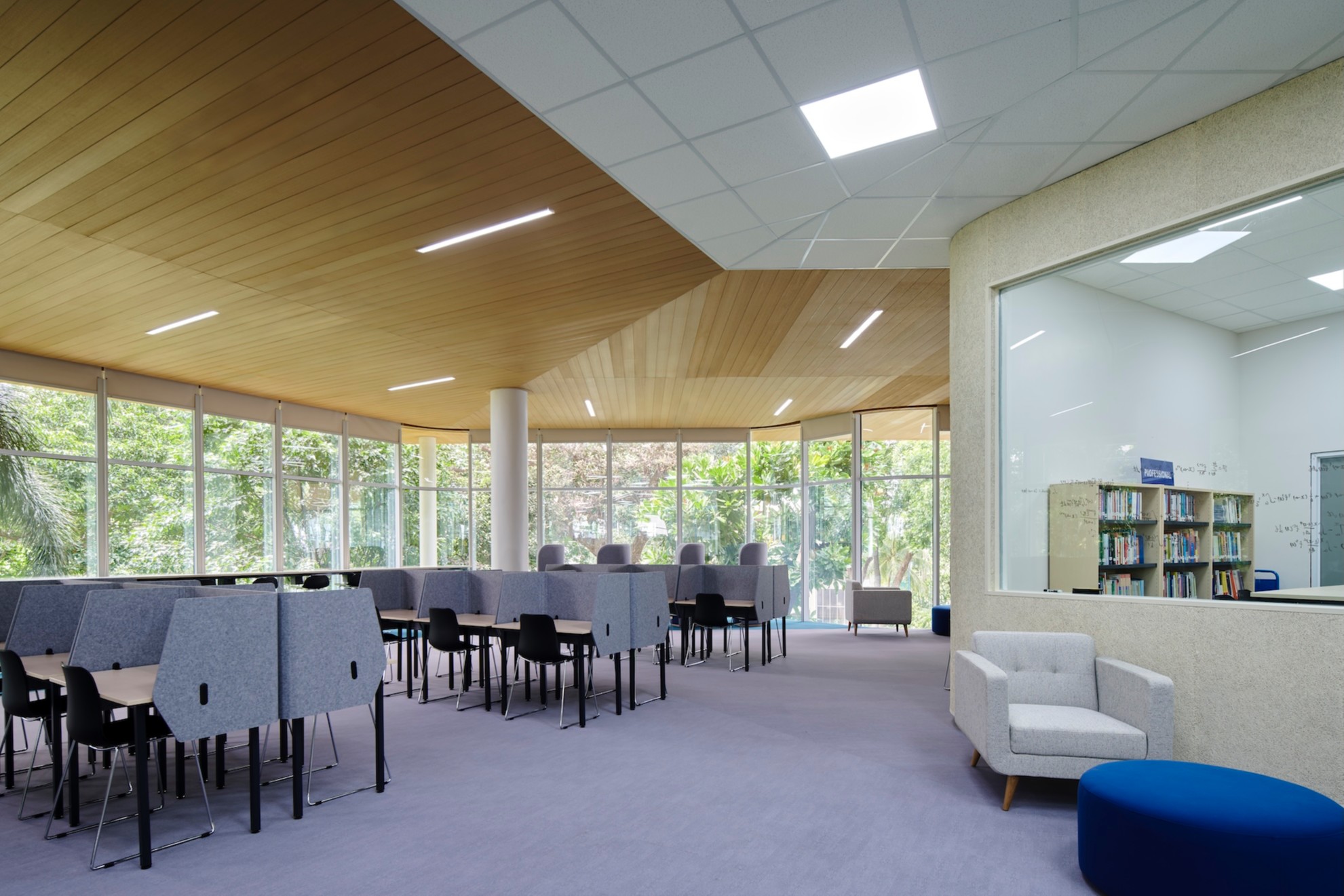
Selecting the best carpentry firm for your undertaking involves inquiry the key inquiries that provide clarity and alignment on objectives. Begin by requesting about the firm's expertise with certain types of assignments akin to your own, such as commercial fit-outs or custom luxury interiors. Understanding their portfolio can offer perspective into their competence. Additionally, ask about their staff and subcontractor relationships, as these links can influence the project’s effectiveness and outcome.
Following this, it's essential to evaluate their planning and technical processes. Bespoke Joiners Barrow In Furness how they address the combination of architectural woodwork with overall design goals. Do they use modern technologies like CAD/CAM systems, and how do they guarantee details such as wood grain alignment and choice of materials are performed perfectly? Their method to design will show whether they can meet both aesthetic and structural requirements.
Lastly, talk about timelines and financial management. Inquire about their strategies for avoiding common issues that lead to delays, such as coordinating with different contractors and controlling the logistics efficiently. Understanding their processes for budget efficiency while preserving design quality will reveal their willingness to finishing a task on time and within budget. This conversation will help you gauge their professionalism and capacity to meet your assignment's requirements.
Crucial Tactics for Successful Collaboration in Joinery Projects
Successful collaboration between architects and woodworking contractors is essential for the successful execution of any woodworking project. One primary approach is setting up clear communication lines from the very onset. Frequent updates, response loops, and honest discussions regarding design goals help prevent misunderstandings that could influence deadlines and standards. This method cultivates a collaborative environment where all parties feel comfortable sharing thoughts and concerns, leading to a fluent workflow.
One more important aspect is aligning project goals with a clearly defined scope of work. By explicitly defining roles, responsibilities, and outcomes, all stakeholders can focus on achieving shared goals. Creating a thorough scope helps identify potential challenges early on, allowing teams to plan and allocate resources effectively. This forward-thinking approach to project planning not only enhances efficiency but also minimizes the risk of significant delays or rework down the line.
In furthermore to clear communication and a thorough scope, employing integrated technology can transform collaboration. Modern woodworking contractors increasingly rely on CAD/CAM systems and project management software to simplify processes and ensure everyone is on the same exact page. Real-time updates and digital documentation allow for seamless information sharing, making it easier for teams to tackle any issues as they occur. By welcoming these technological advancements, project teams can considerably improve collaboration, ultimately leading to a enhanced quality of work and more successful outcomes.
Navigating Common Challenges in Industrial Joinery
In the realm of industrial joinery, one of the key challenges contractors face is overseeing job timelines. Delays can result from multiple sources, including material availability, surprise site conditions, and coordination with other trades. To mitigate these issues, forward-thinking planning and efficient communication between all involved individuals is essential. Setting well-defined milestones and regularly advising interested parties on progress can aid in keeping on track and limiting disruptions.
Another frequent problem within industrial joinery projects is the struggle between high standards and budget constraints. High-end finishes and custom elements may enhance the design appeal of a project, but they often come with higher costs. Joinery contractors need to apply cost-effective strategies to reach the desired outcomes without jeopardizing design integrity. By carefully choosing materials and refining design solutions, contractors can provide exceptional results while adhering to budget parameters.
Finally, compliance with safety and legal standards presents an ongoing issue. Joinery work often needs meet many building codes and regulations related to acoustics, fire regulations, and longevity. It is crucial for contractors to stay updated on the current compliance requirements and incorporate them into their proposals. By doing so, they not only ensure the safety and usability of the space but also shield their clients from potential legal issues associated with failure to comply.