Power Up Your Knowledge: Introductory Electricity for Beginners


Power powers our lives, from the moment we wake up and turn on the lights to the last minute we take scrolling through the gadgets just prior to bed. Grasping the fundamentals of electrical systems is crucial for everyone, whether you're a property owner looking to handle DIY projects or just someone curious in how things work. This article will lead you through the fundamental concepts of residential wiring, electrical safety standards, and common troubleshooting methods that every beginner should be aware of.
With an ever-evolving landscape of technology, understanding how to safely install additional outlets, troubleshoot blinking lights, and work with ground fault circuit interrupters can empower you to make wise decisions about your home's electrical systems. We'll investigate the importance of selecting the right wire gauge, grasping service panel components, and adhering to up-to-date wiring codes. Whether you're thinking about upgrades, repairs, or just interested about the electricity running through your walls, this guide will equip you with the understanding to power up your comprehension of electrical basics.
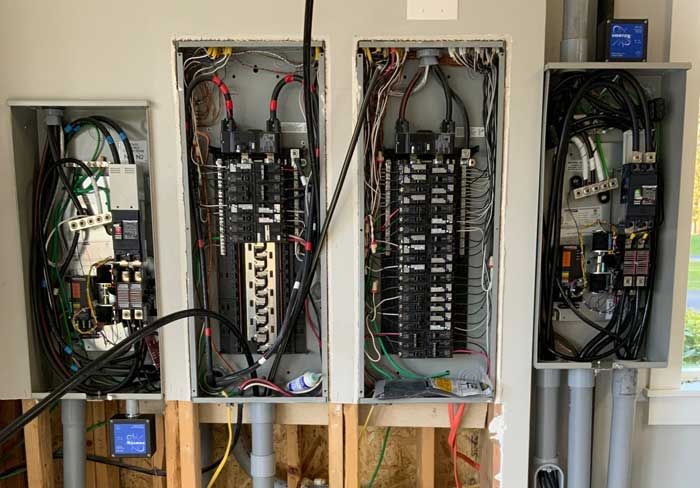
Comprehending Electric Security Norms
Electric safety standards is crucial for ensuring the safe installation and maintenance of electric networks within home areas. These norms is established by bodies such as the National Electrical Code (NEC) in the United States, which provides protocols to safeguard both users and assets. Adherence with these norms assists prevent electrical incidents, shocks, and other dangers that can arise from faulty wiring or defective connections.
One of the key aspects of electrical security standards is the implementation of ground fault circuit interrupters (GFCIs) within areas with increased moisture, such as restrooms and cooking areas. GFCIs are designed to prevent electric shock by interrupting the flow of electricity if they detect an irregularity between incoming current and outgoing current current. Knowing the locations these units must get placed is critical for safeguarding homes against electric mishaps.
Additionally, electrical professionals must remain informed on regulatory] compliance and security protocols, that can evolve over time. It includes knowing about new requirements for wiring materials, set up methods, and the newest innovations that enhance electrical safety. By adhering to these norms and optimal methods, electricians play a role to a safer living environment for themselves and their customers.
Addressing Frequent Electrical Problems
Electrical issues can arise unexpectedly, interrupting your daily routine. One of the most common problems owners of homes face is tripped breakers. This usually happens when the electrical demand surpasses the circuit's capacity, signaling that too many devices are pulling power from the same line. To troubleshoot, begin by unplugging devices and resetting the breaker. If the breaker fails again, it may point to a larger issue, such as a short circuit or a damaged appliance requiring further inspection.
Another frequent problem is flickering lights, which can be caused by unsecured connections or light fixture issues. Start by checking the bulbs to ensure they are not faulty and then inspect the wiring connections in the fixture and switch. If the lights continue to flicker, it could be a sign of an overburdened circuit or problems with the electrical service to your home, which may require professional evaluation.
Irregular power issues are also concerning, often indicating wiring deterioration or connection problems. Inspect outlets for burn marks or damage, and review any recent additions to the electrical system that may have led to overloads. If the problem continues after addressing these areas, contacting a licensed electrician is wise to diagnose and fix any underlying safety concerns effectively.
Best Tips for Electrical System Setup
When conducting electric installations, always prioritize security by complying with regional codes and standards. Understanding the residential wiring standards is crucial as it confirms that the work done meets security regulations and safeguards occupants from potential hazards. Before commencing Visit Your URL , it is wise to familiarize oneself with the electrical codes specific to your area and make sure that all materials and practices conform to these requirements.
Effective planning is crucial to effective and safe electrical installations. Before placing outlets, switches, or lighting fixtures, create a thorough wiring diagram to illustrate the layout of circuits. This assists in avoiding overloading circuits and allows for simpler troubleshooting in the future. Ensure that you pick the appropriate gauge wire for various applications; using the right size limits risks such as overheating and potential fires.
In conclusion, always take into account upcoming advancements in technology. Designing circuits for load increases, especially in contemporary homes that incorporate smart devices and appliances, is critical. Additionally, applying best practices for setting up GFCI protection in areas prone to moisture, such as bathrooms and outdoor spaces, underscores a promise to security. Routine inspections of current wiring and upgrades will also enhance the longevity and efficiency of electrical systems in homes.